
Hiring a contractor
"Tile installer near me" is a search, not a hiring strategy.
It's a perfectly reasonable place to start. But the contractor who's easiest to find isn't always the one best suited to your project, and knowing the difference can save you a lot of money.
What the search actually shows you
Search "local tile installer," "bathroom remodeler near me," or "tile contractor near me," and you'll see much the same mix.
On a search page, they all look remarkably similar. That's where the trouble starts. Google is very good at finding businesses. It isn't designed to tell you which one is the right size, structure, or price for your particular job.
The companies at the top may be there because they've invested heavily in ads, search optimization, lead services, and sales teams. None of that tells you anything about how well the tile goes down. And one company can spend far more to win a customer than another and still do exactly the same work. That cost has to come from somewhere.
Don't confuse marketing sophistication with construction expertise.
Overhead and the size of your job
The easiest contractor to find may be the most expensive
There's nothing wrong with advertising. Good contractors advertise, build good websites, and rank well. But a large marketing budget usually comes with an organization to match, and that organization is built for a certain size of project.
What a big operation carries
What many jobs actually need
Those resources are valuable when the project needs them. For a straightforward remodel, they can simply be overhead, and you may not need an organization built to run a $250,000 whole-house renovation.
Step one
Start with a referral

Ask friends, neighbors, coworkers, real estate agents, designers, and other tradespeople. The second half of the question matters most: you want people who've personally used the contractor, not people who've heard of one.
A referral is different from an ad. Someone who recommends a contractor is putting a little of their own reputation behind it. Referrals from other trades are especially useful, because good tradespeople tend to know who does good work.
Reading a contractor's website
Look for evidence, not polish
A good-looking website proves nothing on its own. What matters is what it tells you about the actual work.
Useful signs
- A clear explanation of what they do, and don't do
- Photos of finished projects
- Photos of projects in progress
- An explanation of their process
- Real information about materials, methods, and common problems
Tells you little
- Mostly stock photography
- Generic claims about "quality craftsmanship"
- "Customer satisfaction" with nothing behind it
- No sign of who actually does the work
The most useful thing in a portfolio
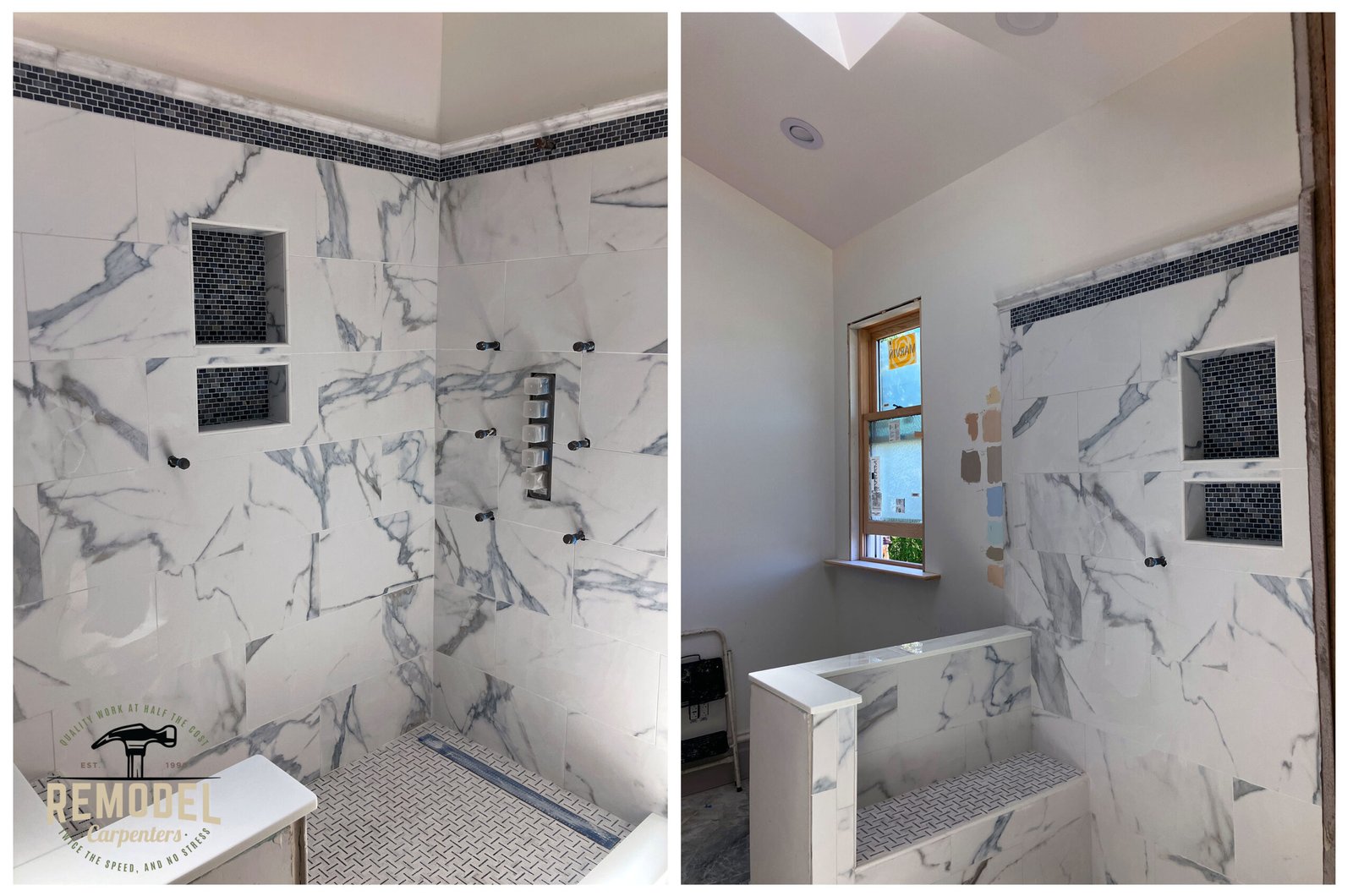
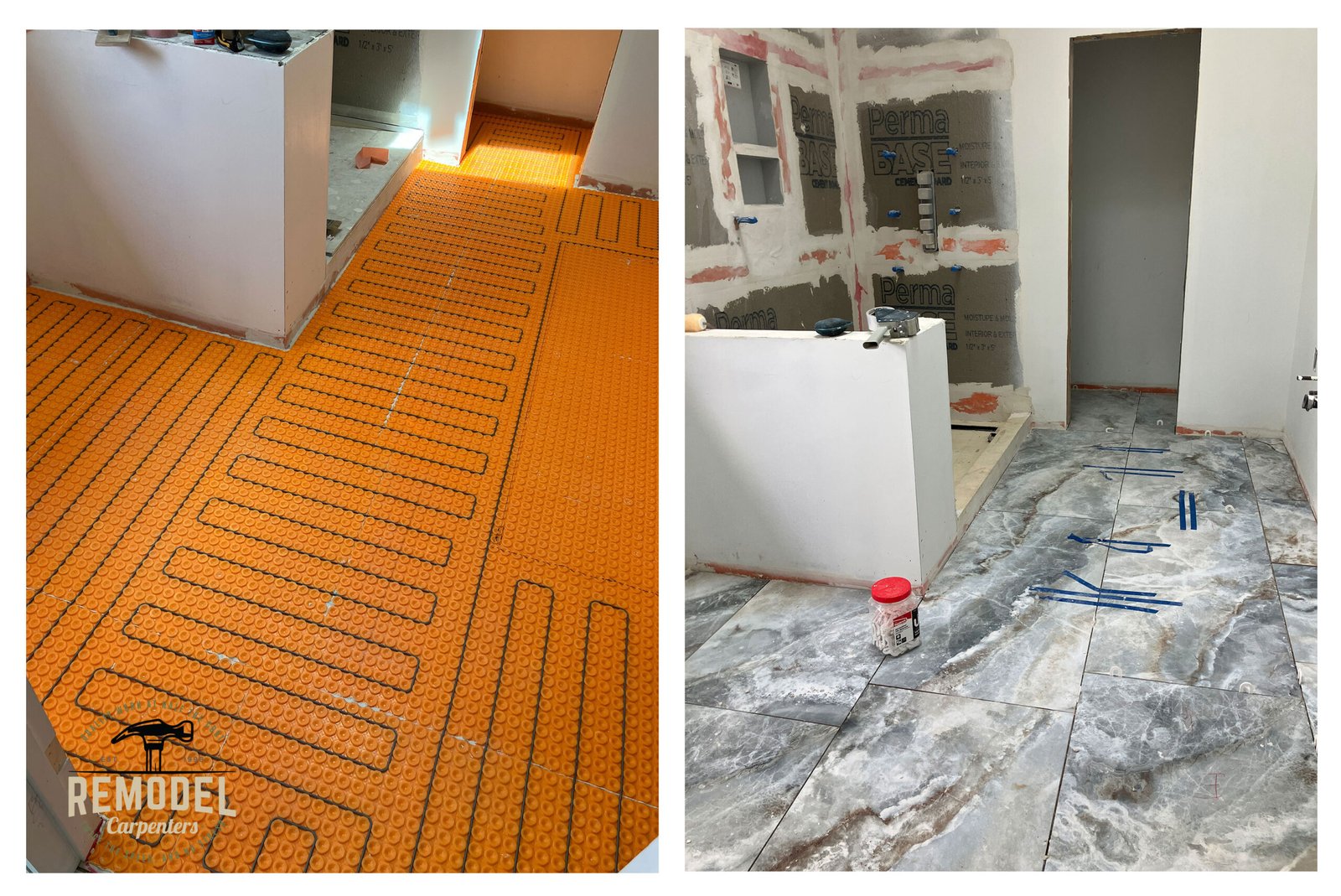
Look for work in progress
A photo of a finished bathroom tells you someone took a beautiful photo. It doesn't tell you who set the tile. Look for projects documented through several stages:
- Before
- Demolition
- Substrate prep
- Waterproofing
- Backer or membrane
- Layout
- Setting tile
- Grout
- Finished
The more stages a contractor can show, the easier it is to tell the photos are really theirs. That matters in remodeling more than almost anywhere, because the finished surface hides most of the workmanship underneath it.
Does the contractor have anything to say?
Explanations beat slogans
Look for articles about the work itself. You don't have to agree with all of it. You're looking for evidence that the contractor understands the work well enough to explain why something should be done a certain way.
Reviews
Read them, don't just count the stars
Those two ratings aren't equivalent, and neither one tells the whole story. A big pile of reviews doesn't automatically mean better construction either. Read for patterns:
You're gathering evidence, not looking for a magic number.
Two questions worth asking
 Who is actually going to do my project?
Is the person quoting the job the person doing it? Employees or subcontractors? How many crews? In a large operation, the person who sells the job, the person who manages it, and the person who does the work can be three different people.
 How many jobs do you have going at once?
A contractor juggling ten projects runs a different business from one handling one or two at a time. Neither is wrong, but for a modest kitchen or bath, you may prefer someone built to finish a few jobs carefully.
Bigger isn't always better
Match the contractor to the job
When a general contractor makes sense
When it may not
A kitchen remodel that involves:
That second project isn't necessarily general-contractor sized. California also has license classifications for contractors who work across several trades on existing homes without running a traditional general contracting operation, which can be a good fit for smaller remodels. The important thing is understanding what you're paying for.
How a small job gets big
You called about a bathroom. Then this happened.
None of those are bad in themselves. But they aren't free. So the useful question changes:
One trade, two, or ten
Specialization isn't a weakness
At the other end of the spectrum is the specialist. A tile specialist may be excellent at surface prep, layout, waterproofing, large-format tile, natural stone, grout, and showers, and still not be the person to rewire your house. That's fine. A kitchen can involve a tile and cabinet installer, an electrician, a plumber, and a countertop fabricator, each doing the part they're best at.
Any of these can be the right choice. It depends on the job.
Talk to them
Pay attention to the conversation
Before hiring anyone, talk to them, and not only by email. Explain your project and notice whether they ask you questions back. A good conversation covers far more than "when can we start?": what you're trying to change, existing conditions, materials, methods, likely problems, scope, schedule, cost, and what the contractor does and doesn't do. You're evaluating them while they evaluate the project.

A word on licensing
In California, many kinds of construction work require a contractor's license, depending on the type and size of the job. Licensing and competence aren't quite the same thing: a license doesn't tell you whether someone is right for your project, and experience earned elsewhere doesn't appear on a California license. Status can also be in transition, for newly licensed contractors or businesses changing structure.
So don't just ask "Are you licensed?" Look the contractor up with the California Contractors State License Board, and check which classification they hold and what it covers. Where a license is required, don't treat its absence as a minor detail.
A better way to find a contractor
Build a short list in ten steps
- Get referralsFrom people who've had similar work done.
- Search locallyUse "near me" searches to widen the list, not to make the decision.
- Read the websitesLook for real project photos and useful information.
- Read the reviewsLook for patterns, not just stars.
- Study the portfolioFavor projects shown through several stages.
- Talk to the contractorAsk who does the work and how many jobs they run at once.
- Understand the business modelSpecialist, small remodeler, or large general contractor?
- Verify licensingCheck the CSLB and what the license covers.
- Get more than one estimateCompare what you get for the money, not only the total.
- Size the contractor to the jobA $20,000 remodel doesn't need the structure of a $500,000 addition.
The goal
Not the cheapest. The right fit.
This isn't an argument for hiring the cheapest contractor. Cheap work can get very expensive. The goal is someone with the right experience, who understands the work, communicates well, charges a price that makes sense for the scope, and runs a business that fits the size of your project. The mistake is assuming that bigger means better, or that the first company Google shows you is the right one.
The best contractor for your project may simply be the one someone you trust told you to call.
If you're building your short list, our blog shows our work at every stage, start to finish, and Why Contractors Fail explains how we think about matching the contractor to the job.
Related jobs
More jobs like this
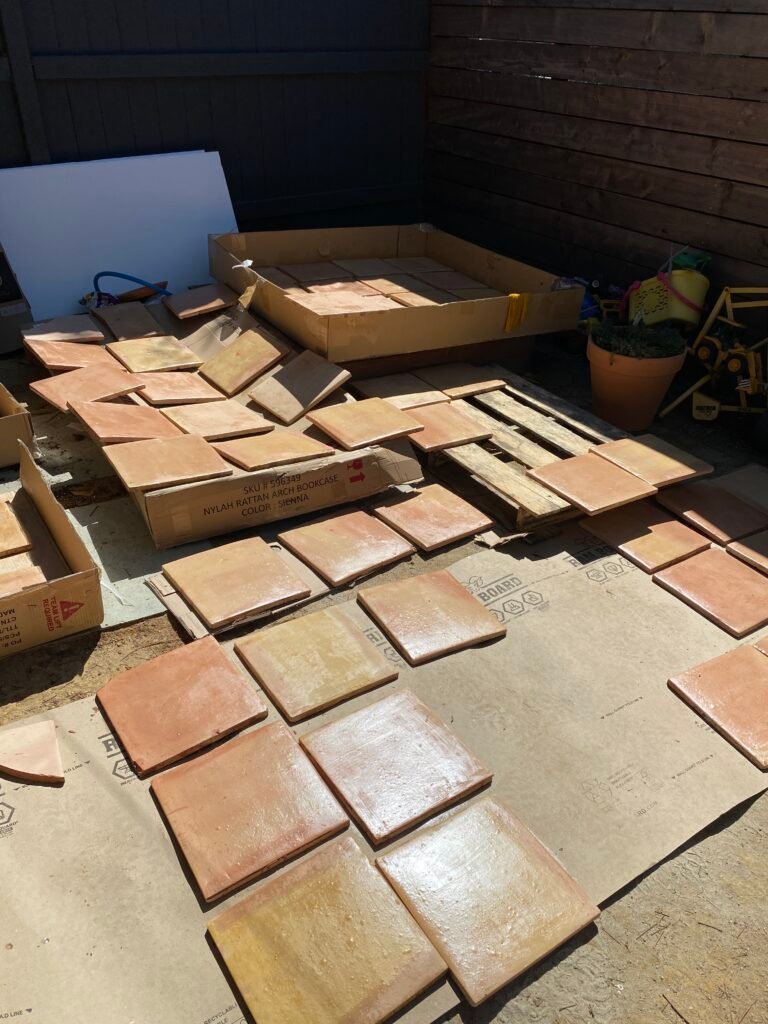
Affordable Tile Installer: What the Price Doesn't Show
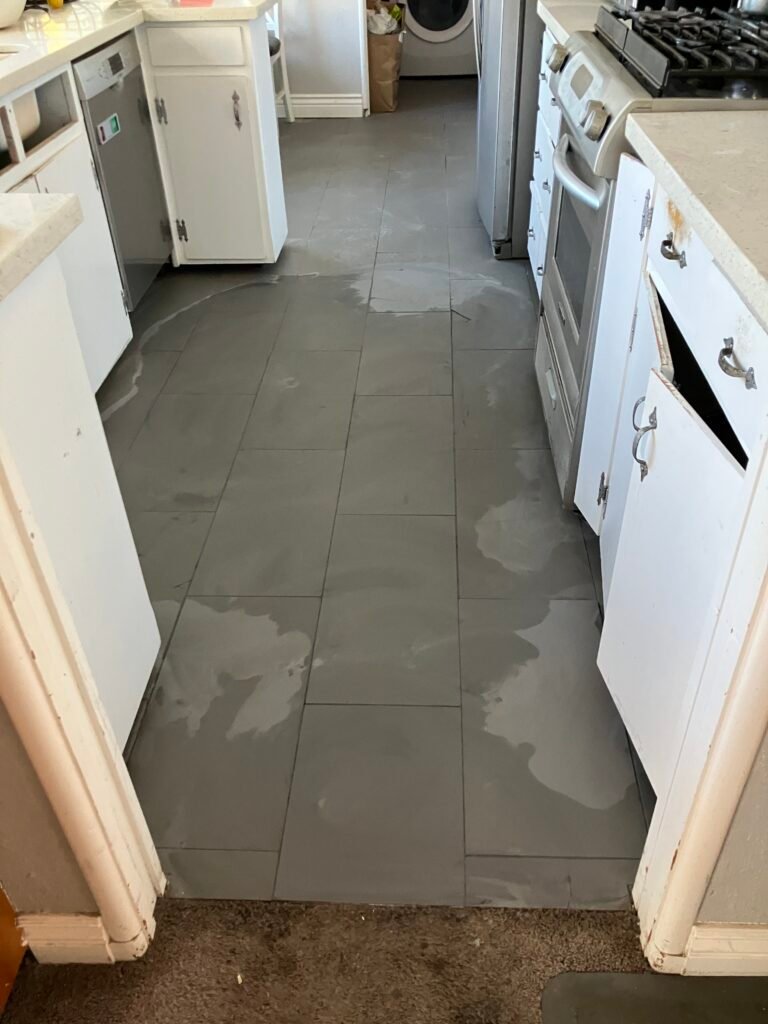
Cracked Kitchen Tile Repair in the Oakland Hills
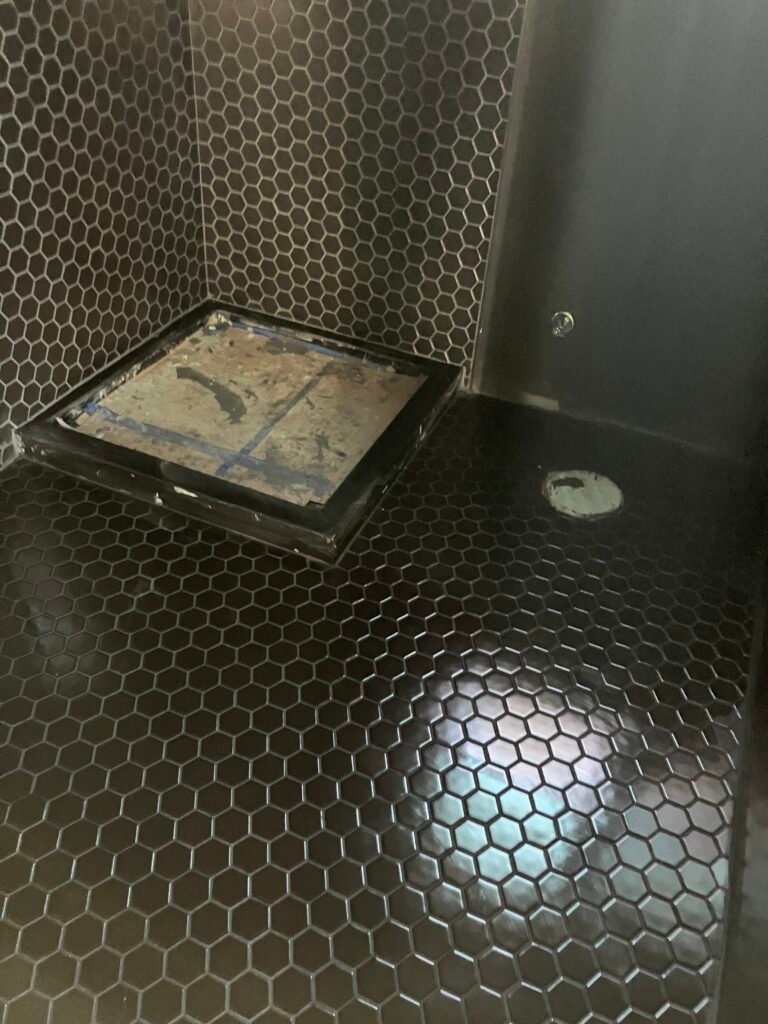
Hexagonal Mosaic Bathroom Floor in the Oakland Hills