
How we price
Affordable tile installer: why competing on just price is a mistake
Every bid is a price for tile on a floor or a wall. What it doesn't show is how the job will feel while it's happening, and how the result will feel for years after. That's most of what you're paying for.
Where our number comes from
Already low, and deliberately not lower
Our prices start from two decisions. The first is that we come in well under a general contractor. We typically land at around half of what a GC would charge for the same work, because we're lean and cross-functional, we don't carry a sales staff or an office, and we don't mark up materials.
The second is that we price as low as we can without having to think about money while we work. That line matters more than it sounds. Once money is on a contractor's mind during a job, it starts to spoil the project: corners get rushed, attention drifts to the next job, and the work suffers in ways that are hard to see until they aren't.
So when a client tells us someone else bid $3,000 against our $4,000, we already know a general contractor would likely have charged around $8,000. We've already taken out the overhead. Going from $4,000 to $3,000 isn't about overhead anymore. It's the race to the bottom, and we stay out of it.
That's not to say you can't get great results for $3,000. You can. It's a different product and a different experience, and those clients aren't who we've built our business for.
On average, you're not just paying for the work. You're paying for the experience: low stress, a positive process, and peace of mind.
What isn't on the estimate
The things you don't see in the price
Some of what makes a job go well never shows up as a line item. A background check is one of them. Do you feel safe with these people in your home? An empty, framed-out house is one thing. A home you're living in, with your family and your things, is another. A background check comes with every proposal we send.
Communication is another. A job between a contractor and a client involves a lot of particular things that need to be said, understood, and agreed on, and there shouldn't be any guesswork. When something gets lost along the way, the problem usually shows up downstream, after it's already been built in. The more easily you and your contractor understand each other, the better, especially when they'll be in your home doing work you'll see and touch every day.
The part nobody bids on
The work is a record of the mind that made it
Every trade captures the state of mind of the person doing it. If we're stressed, rushing, or resenting being underpaid, it takes a lot not to build that into the work, and usually it gets built in. If money isn't on our minds, our attention goes where it belongs: the layout, the edges, the last wipe. That's the real reason our price sits where it does.
There's an old expression that if you go cheap, you end up paying more later. You lose time, you lose money, and then you pay to have it done right. That's true of most technical work, construction included. But even when a cheap job holds up, you've often given up things you assumed came with it, like knowing who's in your home and being confident you and your contractor meant the same thing.
Artisanal, not mechanized
It's not about perfection. It's about bothering.
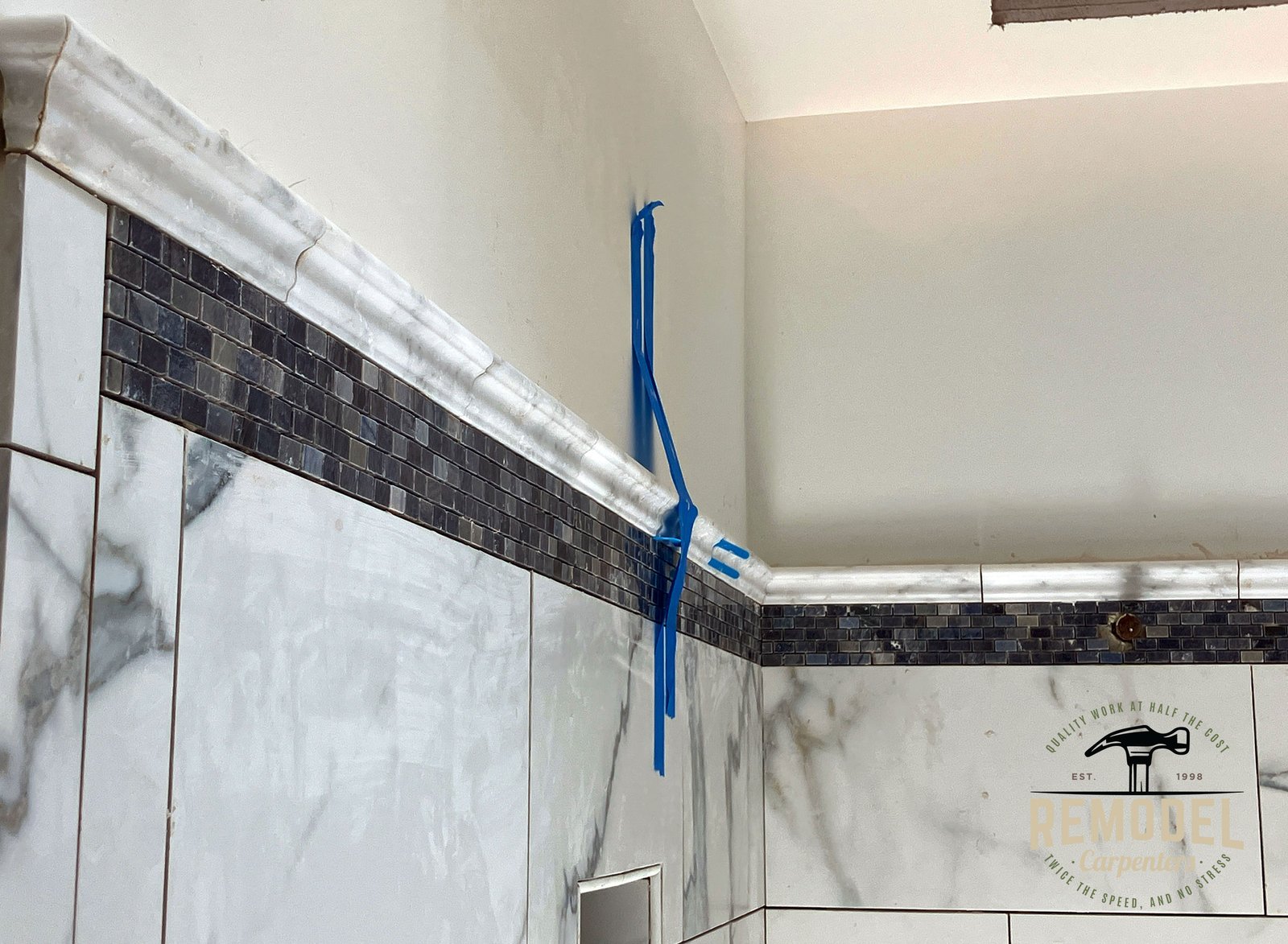
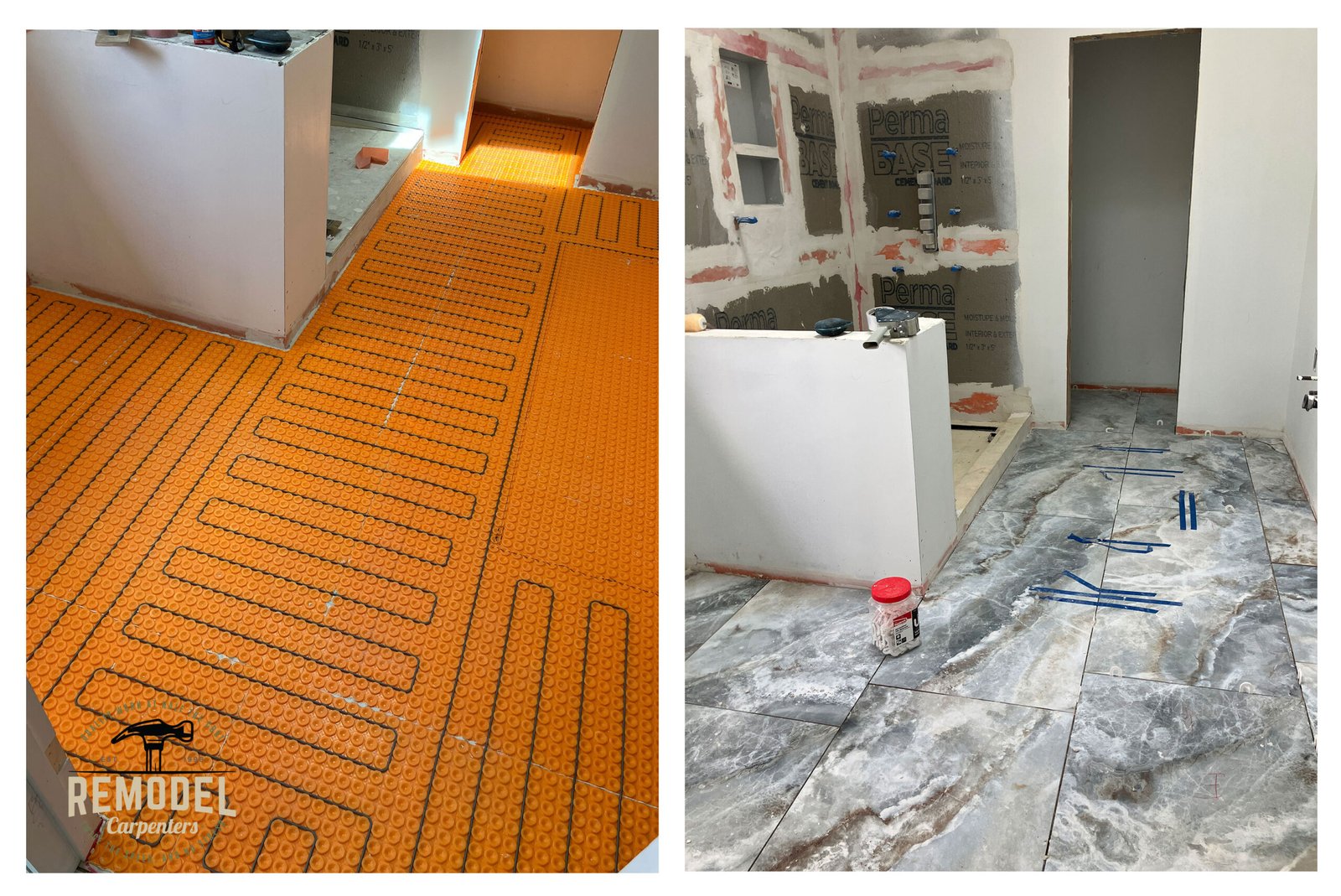
A turn-and-burn job will absolutely give you tile in your entryway, on your patio, or around your shower. But people are discerning, and the difference usually isn't perfection. It's whether someone bothered with details like these:
- Cutting mosaic to fill the last 3/8 inch along an edge, staggered every third tile, instead of leaving a fat grout line.
- Doing a final wipe of the grout so the haze is gone and the joints look crisp.
- Setting the edging dead vertical, not just close.
- Floating a cement layer so a shower surround is actually flat before tile goes on.
- Back-buttering large-format tile so everything planes out when the wall wasn't floated.
- Setting the liner of a custom mud shower pan over a properly sloped base, which can be the difference between passing inspection and not.
What we're really saying
Money is a tool, not the point
Money is the backdrop to every job. When it becomes the focus, it can undermine the results in ways you won't notice until you do. We can trace a direct line from expectations that were never spelled out, or from trying to compete with a substantially different product by slashing prices, to an outcome nobody is happy with.
So when you hire us, you're not only paying for the work, or even the finish. You're paying for the work done a certain way, with a certain process and a certain care, and for a job that's low stress and positive from the first conversation to the last wipe.
You're not just buying tile. You're buying how it went in.
See Why Contractors Fail for how we keep prices low without cutting corners, or browse our blog for the details on real jobs, start to finish.
Related jobs
More jobs like this
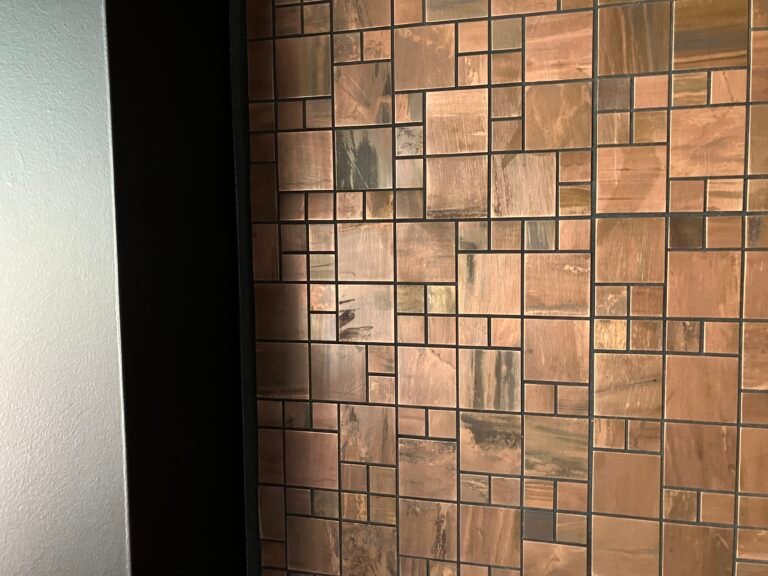
How to Find a Tile Installer Near You (Without Overpaying)
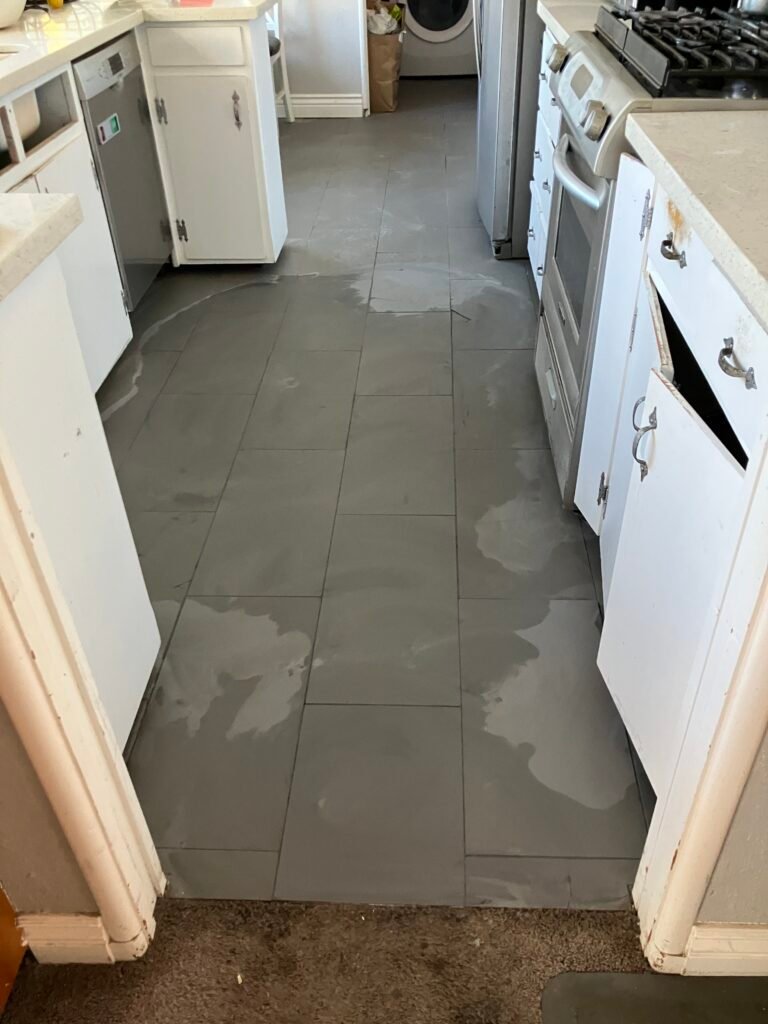
Cracked Kitchen Tile Repair in the Oakland Hills
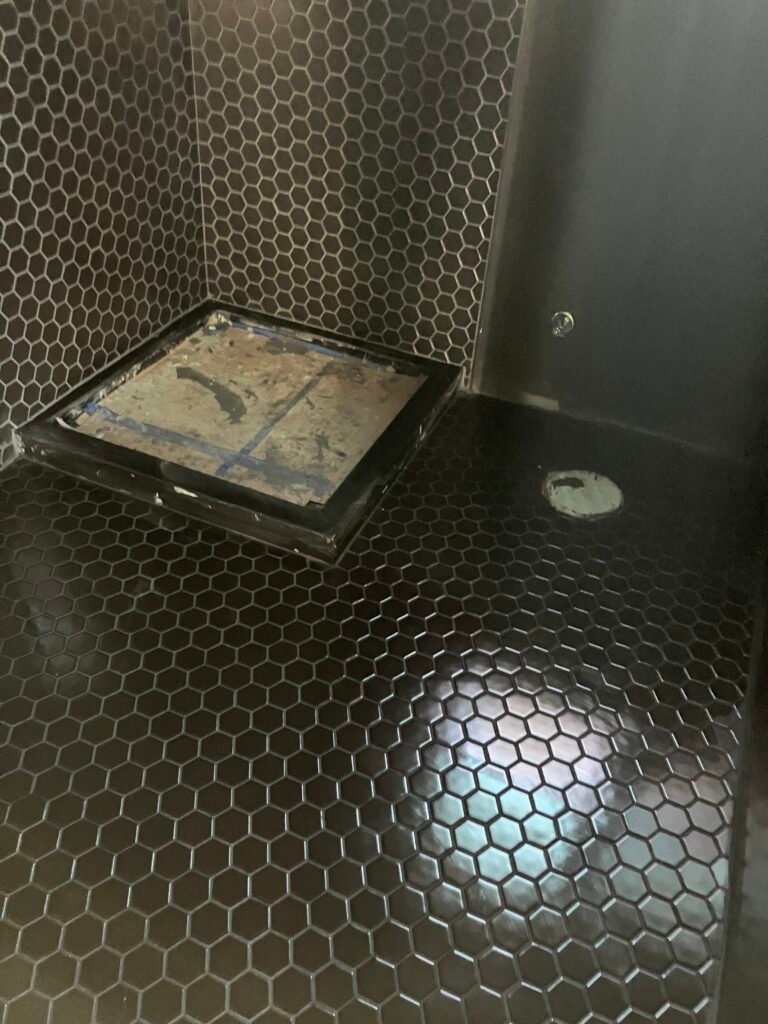
Hexagonal Mosaic Bathroom Floor in the Oakland Hills