
In our opinion, molding ranks fifth among whole-home improvements for cost versus value, behind 1) landscaping and yard, 2) interior paint, 3) exterior paint, and 4) flooring. Doors and lighting round out six and seven. After that come the usual big-ticket items: kitchens, decks, bathrooms. They add considerable value in dollars, but not as a multiple of what they cost. They might return 200% to 300% of their cost, and sometimes not even that, with what general contractors charge.
Molding is different. By our estimate, $5,000 of trim can add $30,000 to a home’s appraised value, a 600% return. A green yard with irrigation, instead of a blast zone of dirt or dead grass, might cost $6,000 and add $60,000 in curb appeal. A kitchen or bathroom can’t do that.
Why trim matters
Finish work, whether built-ins, battens, coffers, wainscot, chair rail, picture rail, crown or base, makes paint pop. It signals attention to detail and tells you the person who lives here notices things. It feels good to live among crafted details.
This was a hillside home in Emerald Hills, on the Peninsula outside San Mateo, appraised at $1.5 million but still missing touches you’d expect at that price.
More than casing
The job covered around 15 windows. At many of them, the interior sill, head and side jambs had never been installed, so this wasn’t just a matter of adding visible trim. Each opening had to be built out first. The existing sill and apron (the single piece of trim under the sill) were removed where present, and every opening was leveled, shimmed and squared before the new jambs, sills and heads went in. Then came the casing: The Molding Company 3.5″ x 7/16″ solid wood, a common and proportionate profile.
Measure once, cut once
For a job this size at the time, planning made the difference. Every window was measured in advance, and then I spent half a day cutting and marking each piece, room by room, so installation became assembly. The cutting station was set up outside on sawhorses with a compound miter saw, which keeps the dust out of the house and the miters crisp. Trim went up with a pneumatic brad nailer. The whole house was done in two days. That’s fast, and it’s only possible when the thinking happens before the first nail.
Real wood, on purpose
We advised against MDF, polystyrene, vinyl and polyurethane trim, and we always do, for three reasons:
- They don’t miter as cleanly.
- They look too perfect, which reads as fake.
- Foam-core trim doesn’t hold brads well and doesn’t stay put.
About the only time we’d use synthetic trim is when it has to be glued to concrete. We’ve substituted perfectly cut plywood for solid wood on coffers to save cost, and we didn’t love it; it meant a lot of puttying and sanding afterward. Better to go with natural materials. It is, after all, a home. And appraisers notice: a house full of laminate and imitation materials reads cheaper, even subconsciously.
The finish
The trim was painted in an oil-based, true white gloss, which stands crisp against the home’s textured walls, exactly what trim is for.
Thinking about trim or finish carpentry? See what we install, or send photos for an estimate.


Related jobs
More jobs like this
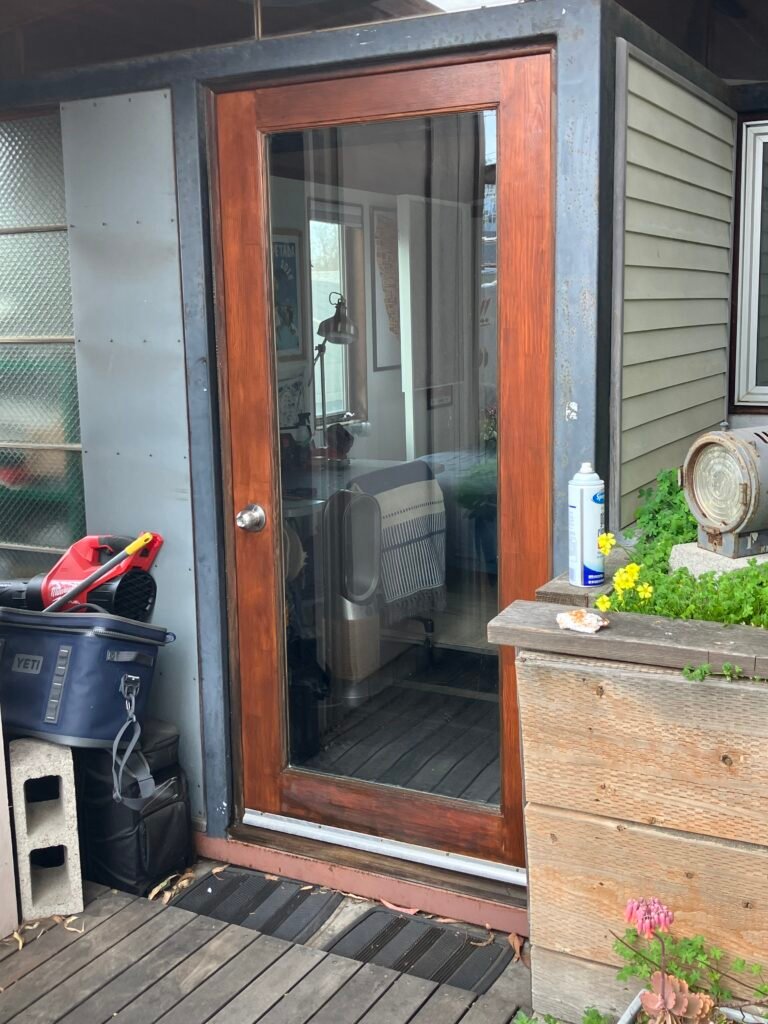
Potrero Hill · 2026
Exterior Wood Door Refinishing in Potrero Hill, SF
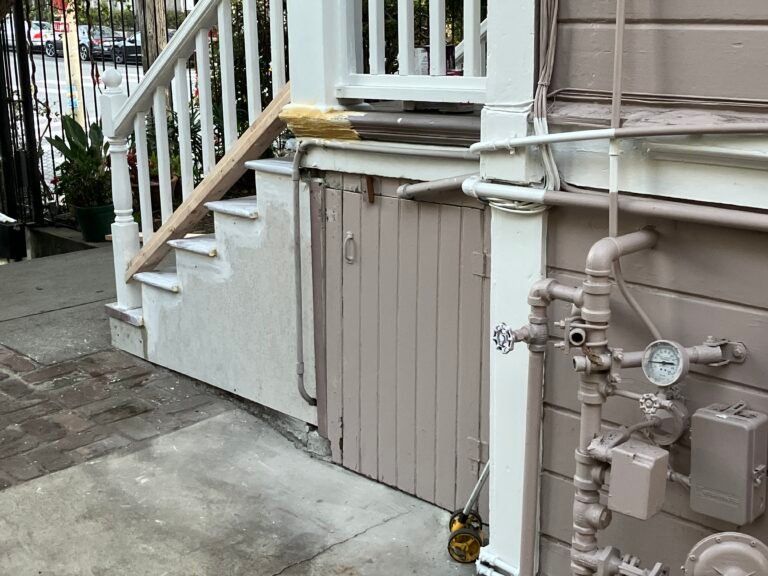
Potrero Hill · 2025
Porch Dry Rot Repair & Balustrade Rail, Potrero Hill
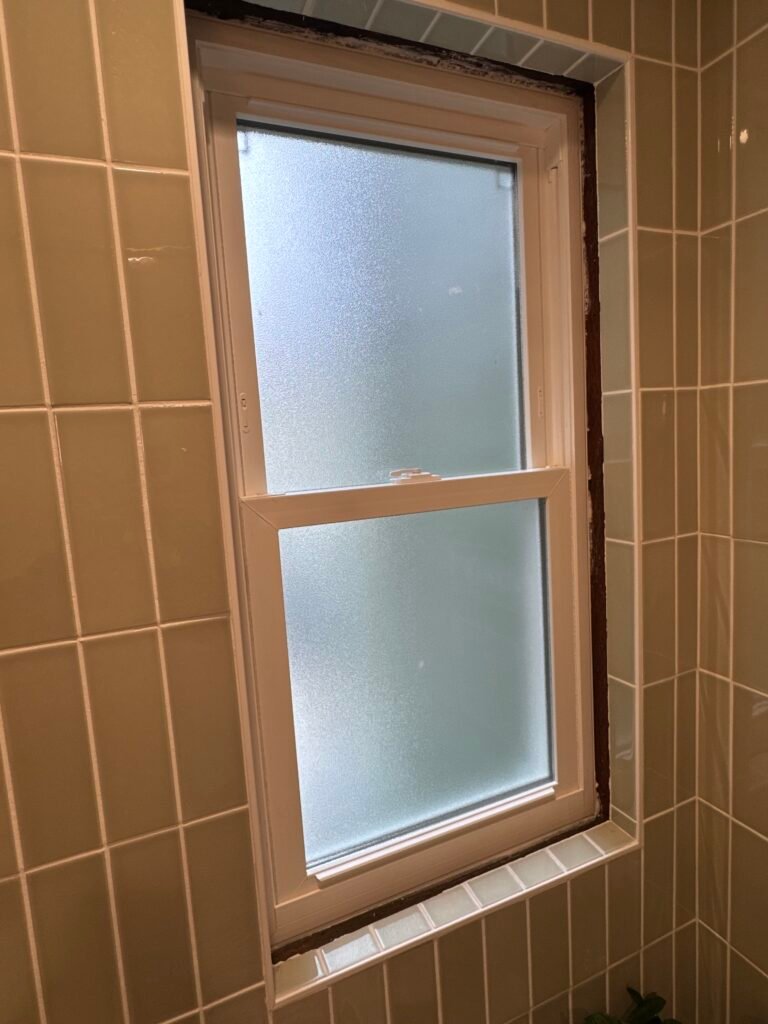
Bernal Heights · 2024
Shower Window Jamb Repair in Bernal Heights, SF