
Housing, the law & your home
Why California's building rules push homeowners to remodel.
When building new is slow, expensive, and heavily regulated, improving the home you already have becomes the rational choice. Here's how the rules shaped that — and what's changing.
California has a well-documented housing shortage, and regulation is one of the most often cited causes. For decades, local zoning rules, density limits, and long permitting processes have made it difficult for homeowners and property owners to build new homes. The result: many homeowners have turned to making the most of the homes they already have.
Three kinds of rules did the most to push people in that direction.
The rules that shaped the market
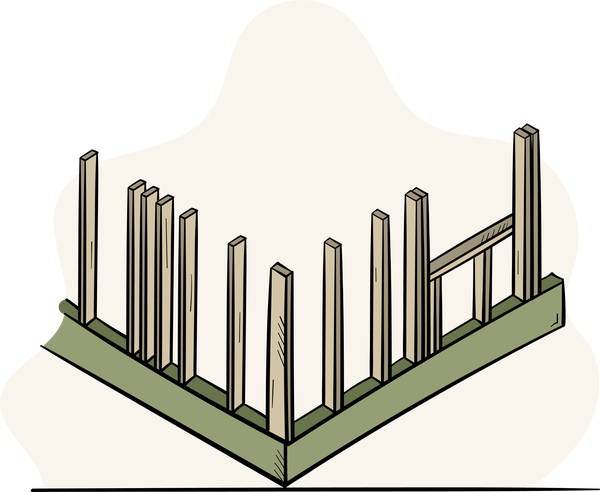
One house per lot
For most of California's single-family neighborhoods, zoning allowed only one primary home on a lot. If you wanted more space, you couldn't simply build a second house — improving and expanding within your existing home was often the only realistic option.
What changed: SB 9, in effect since 2022, lets many owners in single-family zones build a second unit or split their lot, and state laws have steadily expanded what's allowed for accessory dwelling units (ADUs). Local rules still apply, and many lots don't qualify.

Limits on height and density
Residential zoning restricts how tall and how dense buildings can be, and changing a property's use — from single-family to multifamily, for example — has historically been difficult. With building up and building out both restricted, owners have looked inward instead: remodeling kitchens and baths, and repurposing garages, basements, and underused rooms.

Permits to demolish
Tearing down a home requires a demolition permit, and many cities add their own review steps and notices before one is issued. The process can take months, and every month adds cost to a project that hasn't started yet. Keeping the structure and improving it sidesteps that entirely.
Then and now
The trend is shifting — slowly
A wave of state housing legislation has started to loosen these limits, and construction activity has picked up in response. But new supply still trails population and demand, and building new remains far slower and costlier than improving what's already there.
Building new
- Zoning and lot rules to navigate
- Plans, engineering, and permits
- Months before work can start
- Highest cost per square foot
Improving what you have
- Work within the home you own
- Cosmetic remodels need minimal permitting
- Work can start within days or weeks
- Highest value per dollar spent
What it means for you
The fastest path is often the one you're already on
 Start fast
Send photos, get a price in 24 hours — no plan review in the way.
 Spend where it shows
Kitchens, baths, floors, and trim add the most value for the money.
 Finish in days
One lead on site until it's done — not weeks between trades.

This article is general information, not legal advice. Housing and permit rules vary by city and change often — check with your local building department before planning new construction.
Ready to make the most of the home you have?
Send photos and a sentence about what you'd like to change. We'll come back with a price within 24 hours.
Get a quote Why we're right-sizedRelated jobs
More jobs like this
Affordable Tile Installer: What the Price Doesn't Show
How to Find a Tile Installer Near You (Without Overpaying)
Cracked Kitchen Tile Repair in the Oakland Hills